


Hey there! As a supplier of HID headlight bulbs, I often get asked about the power consumption of these nifty lighting solutions. So, let's dive right in and break it all down.
First off, what are HID headlight bulbs? Well, HID stands for High-Intensity Discharge. These bulbs are a popular choice for vehicle headlights because they offer a much brighter and whiter light compared to traditional halogen bulbs. They work by creating an electric arc between two electrodes inside a glass tube filled with xenon gas and metal salts. When the electrical current passes through the gas, it ionizes and emits a bright light.
Now, let's talk about power consumption. Power consumption is usually measured in watts. The power consumption of HID headlight bulbs can vary depending on a few factors, such as the bulb's wattage rating and the specific design of the bulb and its ballast (the device that controls the electrical current to the bulb).
Most HID headlight bulbs on the market have wattage ratings of either 35 watts or 55 watts. The 35-watt bulbs are the most common choice for automotive applications. They offer a good balance between brightness and power consumption. On average, a 35-watt HID headlight bulb will consume about 35 watts of electrical power when it's operating at full brightness. This is significantly less than traditional halogen bulbs, which typically consume around 55 to 65 watts.
The 55-watt HID bulbs, on the other hand, are brighter but also consume more power. As you might expect, a 55-watt HID bulb will use about 55 watts of power when it's fully illuminated. These bulbs are often used in applications where maximum brightness is required, such as off-road vehicles or high-performance cars.
One of the advantages of HID headlight bulbs is their efficiency. Even though they consume less power than halogen bulbs, they can produce up to three times more light. This means that you get a brighter and more effective headlight beam while using less energy from your vehicle's electrical system.
It's also important to note that the power consumption of HID bulbs isn't constant throughout their operation. When you first turn on an HID bulb, it goes through a warm-up period. During this time, the bulb requires a higher initial surge of power to start the ionization process in the xenon gas. This initial surge can be quite high, sometimes reaching up to 80 to 100 watts for a few seconds. But once the bulb has warmed up and reached its full brightness, the power consumption drops back down to its normal operating level (either 35 or 55 watts).
Another factor that can affect power consumption is the quality of the bulb and its ballast. A high-quality HID bulb and ballast combination will be more efficient and consume less power than a cheaper, lower-quality set. Cheaper ballasts may not regulate the electrical current as effectively, which can lead to higher power consumption and potentially shorter bulb life.
So, why does power consumption matter? Well, for starters, it has an impact on your vehicle's battery and alternator. If you have a vehicle with a limited electrical system capacity, using high-power-consuming bulbs could put a strain on your battery and alternator, leading to premature wear and potentially causing electrical problems. By choosing HID bulbs with lower power consumption, you can help reduce the load on your vehicle's electrical system and ensure that it operates more efficiently.
In addition, lower power consumption also means better fuel efficiency. Your vehicle's alternator has to work harder to generate the electricity needed to power high-wattage bulbs. This extra work requires more fuel to be burned by the engine. By using HID bulbs with lower power consumption, you can reduce the amount of fuel needed to power your headlights, which can save you money at the pump in the long run.
As a supplier of Xenon Light Bulbs, Xenon Lighting, and Headlight HID Bulb, I can offer you a wide range of high-quality HID headlight bulbs with different wattage ratings to suit your specific needs. Whether you're looking for a 35-watt bulb for everyday driving or a 55-watt bulb for maximum brightness, we've got you covered.
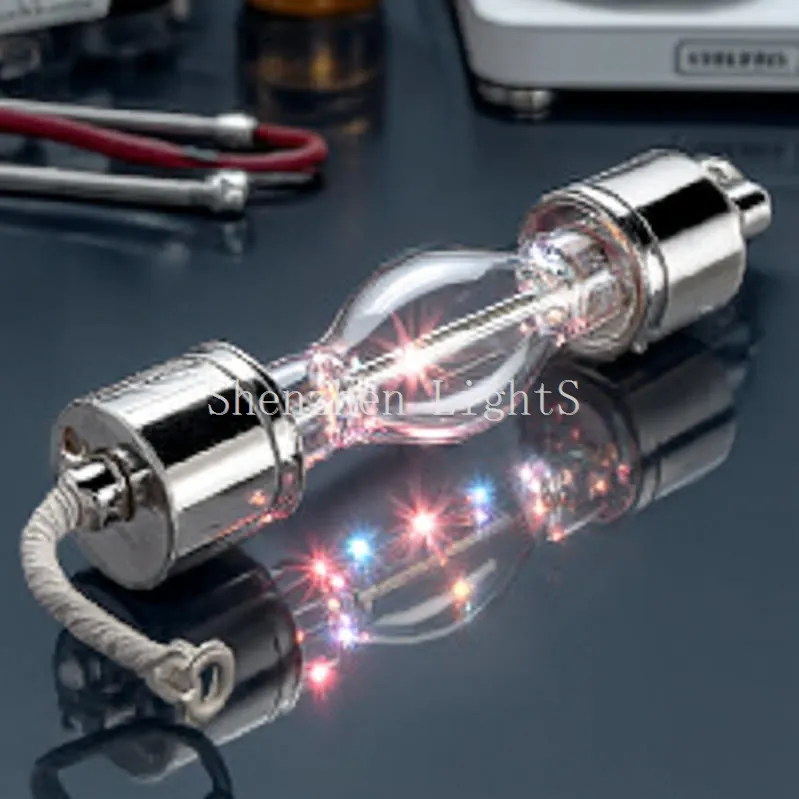

Our bulbs are designed to be energy-efficient, reliable, and long-lasting. We use only the highest-quality materials and the latest manufacturing techniques to ensure that our bulbs meet or exceed industry standards. And because we're a direct supplier, we can offer you competitive prices without compromising on quality.
If you're in the market for HID headlight bulbs and want to learn more about our products or discuss your specific requirements, I'd love to hear from you. Whether you're an individual looking to upgrade your vehicle's headlights or a business in need of a bulk supply, we're here to help. Just reach out to us, and we'll be happy to assist you with your purchase.
In conclusion, the power consumption of HID headlight bulbs is an important factor to consider when choosing the right bulbs for your vehicle. By understanding how power consumption works and the different factors that can affect it, you can make an informed decision and choose the bulbs that offer the best balance between brightness and energy efficiency. And as a trusted supplier of HID headlight bulbs, we're here to provide you with the products and support you need to make your driving experience safer and more enjoyable.
References
- General automotive lighting industry knowledge and research on HID technology.


