


As a xenon lamp supplier, I often get asked about the beam angle of xenon lamps. It's a crucial factor that can significantly impact the performance and usability of these lamps in various applications. So, let's dive into what the beam angle of a xenon lamp is all about.
What Exactly is Beam Angle?
The beam angle of a lamp refers to the spread of light that the lamp emits. It's measured in degrees and tells you how wide or narrow the light beam will be. Think of it like a flashlight. If you have a flashlight with a narrow beam angle, the light will be concentrated in a small area, like a spotlight. On the other hand, a flashlight with a wide beam angle will spread the light over a larger area.
For xenon lamps, the beam angle can vary widely depending on the design and intended use of the lamp. Some xenon lamps are designed to have a very narrow beam angle, which is great for applications where you need a concentrated, intense light, like in stage lighting or some industrial inspection processes. Others have a wider beam angle, which is more suitable for general illumination, like in a large room or outdoor area.
How Does Beam Angle Affect Xenon Lamp Performance?
The beam angle of a xenon lamp can have a big impact on its performance. Here are a few ways:
Lighting Coverage
A wider beam angle means that the lamp will cover a larger area with light. This is useful in situations where you need to illuminate a big space, like a warehouse or a sports field. For example, if you're using xenon lamps to light up a large outdoor event, a wider beam angle will ensure that more of the area is well - lit.
On the flip side, a narrow beam angle provides a more focused light. This is ideal for tasks that require precision, such as in medical equipment where doctors need to see a specific area clearly. In this case, a narrow beam can direct the light exactly where it's needed without wasting it on surrounding areas.
Light Intensity
The beam angle also affects the intensity of the light. A narrow beam angle concentrates the light energy into a smaller area, resulting in a higher light intensity in that area. This can be beneficial when you need a very bright light, like in automotive headlights. Xenon Headlight Bulbs often have a relatively narrow beam angle to provide a bright, focused light on the road ahead.
Conversely, a wider beam angle spreads the light over a larger area, so the light intensity in any given spot is lower. However, the overall illumination of the area is more even.
Energy Efficiency
The right beam angle can also contribute to energy efficiency. By choosing a beam angle that matches the application, you can ensure that the light is being used effectively. For example, if you use a lamp with a wide beam angle in a small, confined space, a lot of the light will be wasted on areas that don't need to be lit. On the other hand, using a narrow - beam lamp in a large area may not provide sufficient coverage, and you may need multiple lamps, which can consume more energy.

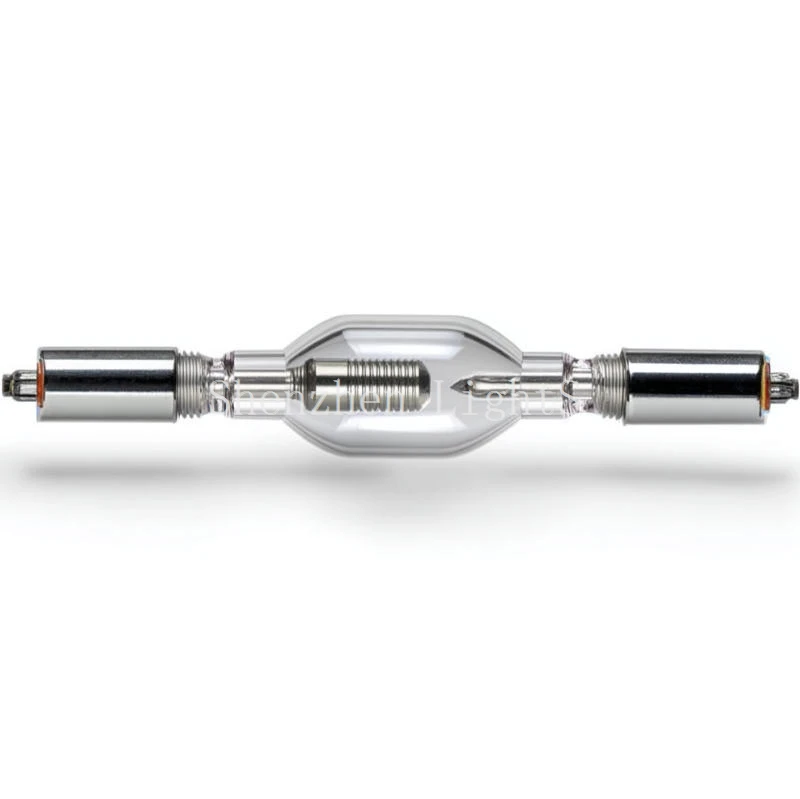
Factors That Influence the Beam Angle of Xenon Lamps
Several factors can influence the beam angle of a xenon lamp:
Reflector Design
The reflector inside the lamp plays a major role in determining the beam angle. A well - designed reflector can direct the light in a specific way. For example, a parabolic reflector can focus the light into a narrow beam, while a diffused reflector can spread the light more widely.
Lens Type
The lens of the xenon lamp also affects the beam angle. Some lenses are designed to refract the light in a way that widens or narrows the beam. For instance, a convex lens can converge the light, resulting in a narrower beam, while a concave lens can diverge the light, creating a wider beam.
Lamp Shape and Size
The physical shape and size of the xenon lamp can also have an impact on the beam angle. Smaller lamps may have a more limited ability to spread the light widely, while larger lamps can often accommodate designs that allow for a wider beam angle.
Common Beam Angles in Xenon Lamp Applications
Let's take a look at some common beam angles in different xenon lamp applications:
Automotive Lighting
In automotive applications, Xenon Headlight Bulbs typically have a beam angle in the range of 15 - 30 degrees for the low - beam setting. This narrow beam is focused on the road ahead, providing a bright and clear view without blinding oncoming drivers. For the high - beam setting, the beam angle may be slightly wider, around 30 - 45 degrees, to provide more extensive illumination for high - speed driving.
Stage Lighting
Stage lighting often uses xenon lamps with a variety of beam angles. Spotlights, which are used to highlight performers or specific areas on the stage, may have a very narrow beam angle, sometimes as low as 5 - 10 degrees. Floodlights, on the other hand, are used to provide general illumination on the stage and can have a beam angle of 60 - 120 degrees or even wider.
General Illumination
For general indoor or outdoor illumination, Xenon Light Bulbs may have a beam angle of 90 - 180 degrees. This wide beam angle ensures that a large area is evenly lit.
Choosing the Right Beam Angle for Your Needs
When you're considering purchasing xenon lamps, it's important to choose the right beam angle for your specific application. Here are some tips:
Define Your Lighting Goals
First, think about what you want to achieve with the lighting. Do you need to illuminate a large area evenly, or do you need a focused light for a specific task? If you're lighting a living room, for example, a wider beam angle would be more appropriate. But if you're using the lamp for a hobby like jewelry making, a narrow beam would be better.
Consider the Space
The size and layout of the space where you'll be using the lamp also matter. In a small room, a very wide - beam lamp may not be necessary and could even create too much glare. In a large, open space, a narrow - beam lamp may not provide enough coverage.
Look at the Application Requirements
Different applications have different requirements. For example, in HID Bulbs Car applications, there are specific regulations regarding the beam angle to ensure safety on the road. Make sure you comply with any relevant standards and regulations.
Why Choose Our Xenon Lamps?
As a xenon lamp supplier, we offer a wide range of xenon lamps with different beam angles to meet your diverse needs. Our lamps are designed with high - quality materials and advanced technology to ensure optimal performance. Whether you need a narrow - beam lamp for precision work or a wide - beam lamp for general illumination, we've got you covered.
If you're interested in purchasing our xenon lamps or have any questions about beam angles or other aspects of our products, don't hesitate to reach out. We're here to help you find the perfect lighting solution for your application. Contact us to start a procurement discussion and take the first step towards better lighting.
References
- "Lighting Handbook: Reference and Application" by the Illuminating Engineering Society of North America.
- "Automotive Lighting Technology" by various automotive lighting experts.


