


Yo, what's up everyone! I'm a supplier of Xenon Lighting, and I've seen my fair share of issues with these bad boys. In this blog, I'm gonna share some tips on how to troubleshoot Xenon Lighting problems. Whether you're a DIY enthusiast or a professional mechanic, these tips should come in handy.
1. Flickering Lights
One of the most common issues with Xenon Lighting is flickering. If your Xenon lights are flickering, it can be really annoying and also a safety hazard. There are a few reasons why this might happen.
Loose Connections
First off, check the connections. Loose connections are a major culprit when it comes to flickering lights. Make sure all the wires are securely attached to the bulb and the ballast. Sometimes, vibrations from driving can cause the connections to come loose over time. If you find a loose connection, just tighten it up. You can use a pair of pliers to gently squeeze the connectors and make sure they're snug.
Faulty Ballast
The ballast is another component that can cause flickering. The ballast is responsible for providing the right amount of power to the Xenon bulb. If the ballast is faulty, it might not be able to supply a steady stream of power, which leads to flickering. You can test the ballast by swapping it with a known - good one. If the flickering stops after the swap, then you know the old ballast was the problem. You can find replacement ballasts for Headlight HID Bulb on our website.

Bulb Issues
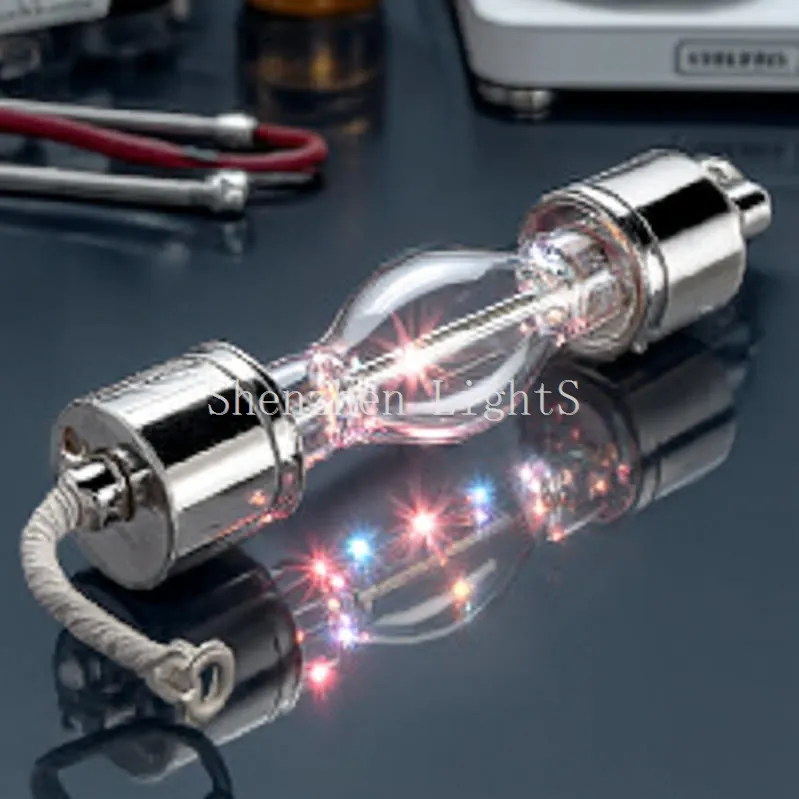
Sometimes, the bulb itself can be the problem. Over time, Xenon bulbs can wear out, and this can cause flickering. Check the bulb for any signs of damage, like blackening or cracks. If the bulb looks bad, it's probably time to replace it. You can browse our selection of Xenon Light Bulbs to find the right one for your needs.
2. Dim Lights
If your Xenon lights are dim, it can make driving at night a real pain. Here are some possible causes and solutions.
Power Supply Problems
The power supply to the lights might be an issue. Check the fuse related to the Xenon lighting system. A blown fuse can reduce the power going to the bulbs, making them dim. If the fuse is blown, replace it with a new one of the same rating. Also, check the battery. A weak battery might not be able to provide enough power to the lights. You can test the battery with a multimeter. If the battery voltage is low, you might need to charge it or replace it.
Contaminated Bulbs
Dirt and grime on the bulbs can also cause them to appear dim. Over time, road dust, bugs, and other debris can build up on the surface of the bulbs. Clean the bulbs with a soft cloth and a mild cleaning solution. Make sure to dry them thoroughly before reinstalling. This simple step can often make a big difference in the brightness of your lights.
Aging Components
As mentioned before, both the bulbs and the ballast can wear out over time. An aging ballast might not be able to supply the full power required for the bulbs to shine brightly. And old bulbs can lose their efficiency. If you've had your Xenon lighting system for a while and the lights are getting dimmer, it might be time to replace the bulbs and the ballast. Check out our Xenon HID Bulbs for high - quality replacements.
3. Lights Not Turning On
This is a real bummer, especially when you're out at night. But don't worry, there are a few things you can check.
Check the Switch
The first thing to do is check the light switch. Sometimes, the switch can get stuck or malfunction. Try toggling the switch a few times to see if the lights come on. If the switch feels loose or doesn't seem to be working properly, it might need to be replaced.
Electrical Shorts
Electrical shorts can also prevent the lights from turning on. Look for any signs of burned wires or melted insulation. A short circuit can cause the fuse to blow, which cuts off the power to the lights. If you find a short, you'll need to repair or replace the damaged wiring. This can be a bit tricky, so if you're not comfortable doing it yourself, it's best to take it to a professional.
Dead Bulbs or Ballast
It's possible that either the bulb or the ballast has completely failed. As with the other issues, you can test the ballast by swapping it with a working one. And if the bulb is dead, you'll need to replace it. Our website has a wide range of replacement parts to get your Xenon lighting system up and running again.
4. Color Temperature Changes
Xenon lights are known for their bright, white light. But sometimes, you might notice a change in the color temperature of the lights.
Bulb Degradation
As the bulbs age, the color temperature can change. They might start to look more yellow or orange instead of the bright white they're supposed to be. This is a sign that the bulb is reaching the end of its life. Replace the bulb with a new one to restore the correct color temperature.
Incorrect Bulb Installation
If you recently installed new bulbs and noticed a color change, it could be due to incorrect installation. Make sure the bulbs are installed correctly and that they're the right type for your vehicle. Using the wrong bulbs can result in a different color output.
5. Uneven Lighting
If one of your Xenon lights is brighter than the other, it can be distracting and also a safety issue.
Bulb Mismatch
You might have a bulb mismatch. Make sure both bulbs are the same type and have the same wattage. Using different bulbs can cause one light to be brighter than the other. Replace the mismatched bulb with one that matches the other.
Alignment Issues
The alignment of the lights can also cause uneven lighting. If one of the lights is pointed in the wrong direction, it might appear dimmer or brighter than the other. You can adjust the alignment of the lights using the adjustment screws on the headlight housing. This can take a bit of trial and error, but getting the alignment right is important for optimal lighting.
Conclusion
Troubleshooting Xenon Lighting issues might seem like a daunting task, but with a little bit of knowledge and some basic tools, you can often fix the problems yourself. Remember to always prioritize safety when working on your vehicle's lighting system. If you're ever unsure about something, it's best to consult a professional.
If you're having trouble finding the right replacement parts for your Xenon lighting system, or if you have any questions about our products, don't hesitate to reach out. We're here to help you get the most out of your Xenon lights. Whether you need a new Headlight HID Bulb, Xenon Light Bulbs, or Xenon HID Bulbs, we've got you covered. Contact us to start a procurement discussion and let's find the perfect solutions for your Xenon lighting needs.
References
- Automotive Lighting Handbook by Helmut Bublitz
- Xenon Lighting Technology Manuals from Industry Manufacturers


