


Hey there! As a supplier of Xenon Light Bulbs, I'm super stoked to dive into how these bad boys work. Xenon light bulbs have become pretty popular in recent years, especially in the automotive world. You've probably seen those bright, white lights on some fancy cars - chances are, they're Xenon lights.
Let's start with the basics. Xenon is a noble gas, which means it's pretty stable and doesn't react easily with other elements. It's colorless, odorless, and tasteless. In a Xenon light bulb, this gas plays a crucial role in the lighting process.
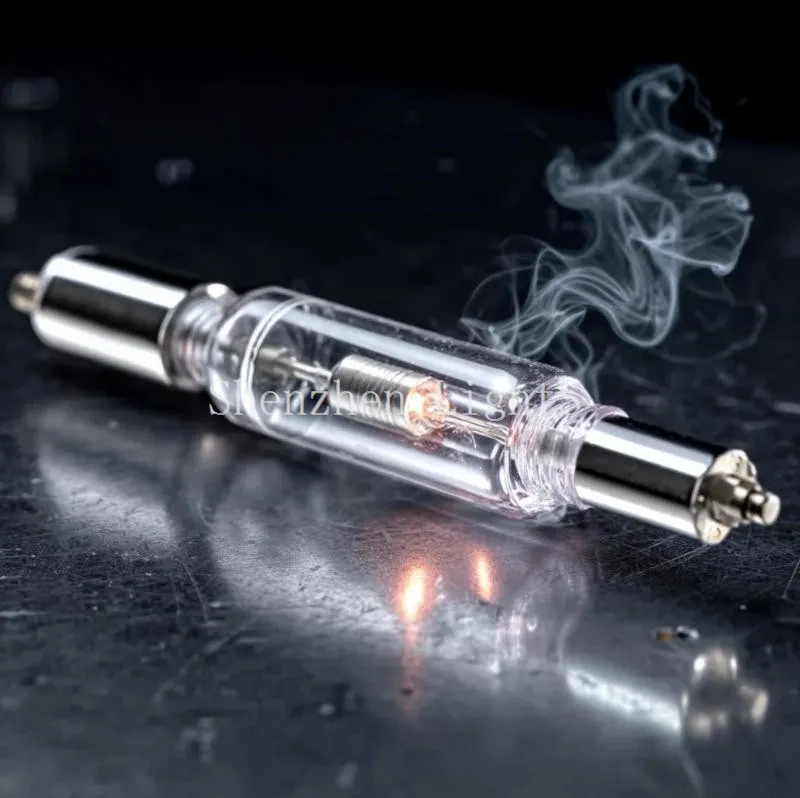
The structure of a Xenon light bulb is quite interesting. Inside the bulb, there are two electrodes separated by a small gap. The bulb is filled with a mixture of Xenon gas and a small amount of other substances, like mercury or metal halides. When you turn on the power, an electrical current is sent through the electrodes.
At first, the Xenon gas acts as an insulator, and very little current can flow through it. But here's where the magic happens. A high - voltage pulse is applied to the electrodes. This pulse is strong enough to ionize some of the Xenon atoms. Ionization means that an atom loses or gains electrons, making it electrically charged.
Once some of the Xenon atoms are ionized, they can conduct electricity. The electrical current then flows through the ionized gas, creating a plasma. Plasma is a state of matter where the gas is so hot that the atoms are broken apart into ions and free electrons. In a Xenon light bulb, this plasma is extremely hot, reaching temperatures of thousands of degrees Celsius.
As the plasma is formed, it emits light. The light produced by a Xenon light bulb is very bright and has a color temperature that is close to natural daylight. This is one of the reasons why Xenon lights are so popular. They provide a clear and bright illumination, which is great for things like car headlights and high - end lighting fixtures.
Now, let's talk about the different types of Xenon light bulbs. One of the most common types is the Xenon HID (High - Intensity Discharge) bulbs. These bulbs are widely used in automotive lighting. You can check out more about Xenon HID Bulbs.
Xenon HID bulbs work in a similar way to regular Xenon bulbs, but they have some key differences. In an HID bulb, the high - voltage pulse is even more powerful. This causes a more intense ionization of the gas, resulting in a brighter and more efficient light source. HID bulbs also have a longer lifespan compared to traditional halogen bulbs.
Another type of Xenon light is the Xenon Head Lights. These are specifically designed for use in cars. Xenon head lights offer better visibility at night, which can improve safety on the road. They also give your car a more modern and stylish look.
The advantages of Xenon light bulbs are numerous. First of all, they are much more energy - efficient than traditional incandescent bulbs. Incandescent bulbs work by heating a filament until it glows, and a lot of the energy is wasted as heat. Xenon bulbs, on the other hand, convert a higher percentage of the electrical energy into light.
Secondly, as I mentioned earlier, the light produced by Xenon bulbs is very close to natural daylight. This makes it easier for our eyes to see and reduces eye strain. Whether you're driving at night or working in a well - lit room, Xenon lighting can make a big difference.
But like any technology, Xenon light bulbs also have some drawbacks. One of the main issues is the cost. Xenon bulbs are generally more expensive than traditional bulbs. This is because they are more complex to manufacture and require a special ballast to control the electrical current.
Another drawback is that Xenon bulbs can take a few seconds to reach their full brightness. This might not be a big deal for general lighting, but in some applications, like car headlights, it could be a concern.
If you're thinking about using Xenon light bulbs, there are a few things to keep in mind. Make sure you choose the right type of bulb for your needs. Consider factors like the wattage, color temperature, and the size of the bulb. Also, make sure you have the proper installation equipment. For example, if you're installing Xenon HID bulbs in your car, you'll need a compatible ballast.
As a supplier of Xenon Light Bulbs, I can offer you a wide range of high - quality Xenon products. Whether you're looking for bulbs for your car, your home, or your business, we've got you covered.
If you're interested in purchasing Xenon light bulbs, I'd love to have a chat with you. We can discuss your specific requirements and find the best solution for you. Don't hesitate to reach out and start a conversation about your lighting needs.
In conclusion, Xenon light bulbs are a fascinating piece of technology. They work by creating a plasma of ionized Xenon gas, which emits a bright and natural - looking light. While they have some drawbacks, their advantages make them a great choice for many applications. So, if you're in the market for high - quality lighting, give Xenon light bulbs a try.

References:
- Physics textbooks on gas discharge and lighting technology
- Industry reports on automotive and general lighting trends


