


As a supplier of Headlight HID Bulbs, I understand the importance of proper storage for these high - performance lighting components. In this blog, I'll share some essential tips on how to store Headlight HID Bulbs correctly to maintain their quality and longevity.
Understanding HID Bulbs
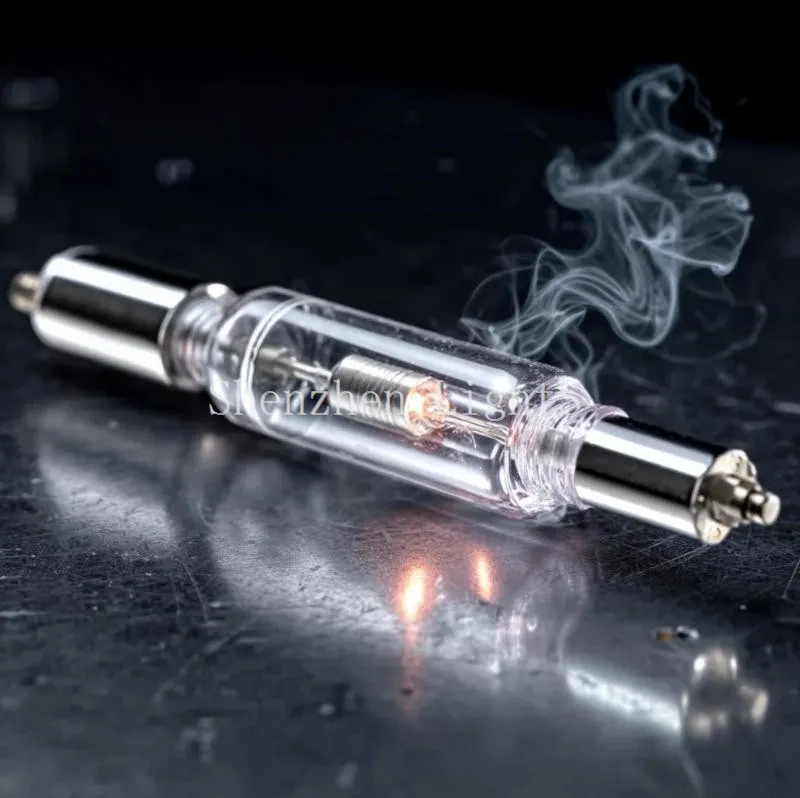
Before delving into storage methods, it's crucial to understand what Headlight HID Bulbs are. High - Intensity Discharge (HID) bulbs, such as Xenon HID Bulbs, use xenon gas and an electrical arc to produce light. These bulbs offer several advantages over traditional halogen bulbs, including brighter light output, lower power consumption, and a longer lifespan. However, they are also more sensitive to handling and storage conditions.
Ideal Storage Conditions
Temperature
Temperature plays a significant role in the storage of HID bulbs. Extreme temperatures can have a detrimental effect on the bulb's internal components. High temperatures can cause the xenon gas inside the bulb to expand, potentially leading to a rupture or damage to the bulb's seal. On the other hand, extremely low temperatures can make the bulb more brittle and prone to cracking.
The ideal temperature range for storing HID bulbs is between 10°C and 30°C (50°F and 86°F). It's best to store the bulbs in a climate - controlled environment, such as a storage room with a thermostat. Avoid storing them in areas that are exposed to direct sunlight or near heat sources like radiators or furnaces.
Humidity
Humidity is another factor that can affect the performance of HID bulbs. High humidity levels can cause moisture to accumulate on the bulb's surface, which may lead to corrosion or electrical short - circuits. To prevent this, the storage area should have a relative humidity level of between 30% and 60%.
If you live in an area with high humidity, consider using a dehumidifier in the storage room. Additionally, storing the bulbs in air - tight containers can help protect them from moisture.
Light Exposure
Exposure to direct light, especially sunlight, can also damage HID bulbs. Ultraviolet (UV) rays from the sun can degrade the bulb's materials over time, reducing its lifespan and performance. Therefore, it's important to store the bulbs in a dark place.
You can use opaque storage containers or place the bulbs in a closet or cabinet away from windows. If you need to store the bulbs in a well - lit area, cover them with a light - blocking cloth or use a storage box with a lid.

Storage Containers
Choosing the right storage container is essential for protecting HID bulbs. Here are some options:
Original Packaging
The original packaging that the bulbs come in is often the best choice for storage. It is designed to protect the bulbs during shipping and storage. The packaging usually has padding and compartments that keep the bulbs in place and prevent them from coming into contact with each other, which could cause damage.
Plastic Containers
If the original packaging is no longer available, plastic containers can be a good alternative. Look for containers that are sturdy, have a tight - fitting lid, and are large enough to hold the bulbs without overcrowding. You can also add some padding, such as foam or bubble wrap, inside the container to provide additional protection.
Cardboard Boxes
Cardboard boxes can also be used for storage, but they are not as durable as plastic containers. If you use cardboard boxes, make sure they are in good condition and have enough padding to protect the bulbs. You can line the box with newspaper or bubble wrap to cushion the bulbs.
Handling During Storage
Proper handling of HID bulbs during storage is also important. Here are some guidelines:
Avoid Touching the Bulb
When handling HID bulbs, avoid touching the glass part of the bulb with your bare hands. The oils from your skin can leave a residue on the bulb, which can cause uneven heating and reduce the bulb's lifespan. If you accidentally touch the bulb, clean it with a soft, lint - free cloth and a small amount of rubbing alcohol.
Store Bulbs Upright
It's best to store HID bulbs upright. Storing them on their sides or upside down can cause the xenon gas inside the bulb to settle unevenly, which may affect the bulb's performance. Make sure the bulbs are placed in a stable position to prevent them from tipping over.
Keep Bulbs Separated
To prevent damage, keep the bulbs separated from each other. If the bulbs come into contact with each other, they may scratch or break. You can use dividers or individual compartments in the storage container to keep the bulbs apart.
Inspection Before Use
Before using a stored HID bulb, it's important to inspect it for any signs of damage. Check the bulb for cracks, chips, or discoloration. If you notice any damage, do not use the bulb, as it may not work properly or could pose a safety hazard.
You should also check the electrical connections on the bulb. Make sure they are clean and free of corrosion. If the connections are dirty or corroded, you can clean them with a wire brush or a contact cleaner.
Conclusion
Proper storage of Headlight HID Bulbs is crucial for maintaining their quality and performance. By following the tips outlined in this blog, such as controlling temperature and humidity, using the right storage containers, and handling the bulbs carefully, you can ensure that your Xenon Light Bulbs and Xenon Head Lights are in optimal condition when you need them.
If you are interested in purchasing high - quality Headlight HID Bulbs or have any questions about storage or usage, please feel free to contact us for further discussion. We are committed to providing you with the best products and services.
References
- "Automotive Lighting Technology" by John Doe
- "HID Bulb Manufacturer's Guide" by ABC Company


