


Do HID headlight bulbs fade over time? This is a question that many vehicle owners and enthusiasts often ask. As a supplier of HID Headlight Bulbs, I've witnessed firsthand the concerns and inquiries from customers regarding the longevity and performance of these bulbs. In this blog, I'll delve into the science behind HID headlight bulbs, explore whether they fade over time, and provide insights based on my experience in the industry.
Understanding HID Headlight Bulbs
High-Intensity Discharge (HID) headlight bulbs are a popular choice for many drivers due to their superior brightness and visibility compared to traditional halogen bulbs. Unlike halogen bulbs, which use a filament to produce light, HID bulbs generate light through an electric arc that passes between two electrodes in a gas-filled chamber. This process produces a bright, white light that closely resembles natural daylight, making it easier for drivers to see the road ahead, especially in low-light conditions.
There are different types of HID bulbs available in the market, including Xenon HID Bulbs and Xenon Light Bulbs. Xenon gas is commonly used in HID bulbs because it helps to create a more stable and efficient light source. These bulbs are known for their high color temperature, which gives them a crisp, white appearance that enhances visibility and reduces eye strain.
The Science of Fading
To understand whether HID headlight bulbs fade over time, it's important to first understand the factors that can affect their performance. One of the main factors is the degradation of the bulb's internal components. Over time, the electrodes in the bulb can wear down due to the high temperatures and electrical currents involved in the lighting process. This can lead to a decrease in the intensity of the light output and a change in the color of the light.
Another factor that can contribute to fading is the build-up of deposits on the inside of the bulb. As the bulb operates, small particles of the gas and other materials can accumulate on the walls of the chamber, blocking the light and reducing its brightness. This build-up can also cause the color of the light to shift, making it appear more yellow or orange over time.
In addition to these internal factors, external factors such as exposure to heat, moisture, and vibration can also affect the performance of HID headlight bulbs. For example, if the bulbs are installed in a location where they are exposed to high temperatures, such as near the engine or exhaust system, the heat can cause the internal components to degrade more quickly. Similarly, if the bulbs are exposed to moisture or vibration, it can cause the electrical connections to loosen or the bulb to crack, leading to a decrease in performance.
How Long Do HID Headlight Bulbs Last?
The lifespan of HID headlight bulbs can vary depending on several factors, including the quality of the bulb, the driving conditions, and the frequency of use. On average, HID bulbs can last anywhere from 2,000 to 3,000 hours of use. However, this is just an estimate, and some bulbs may last longer or shorter depending on the specific circumstances.
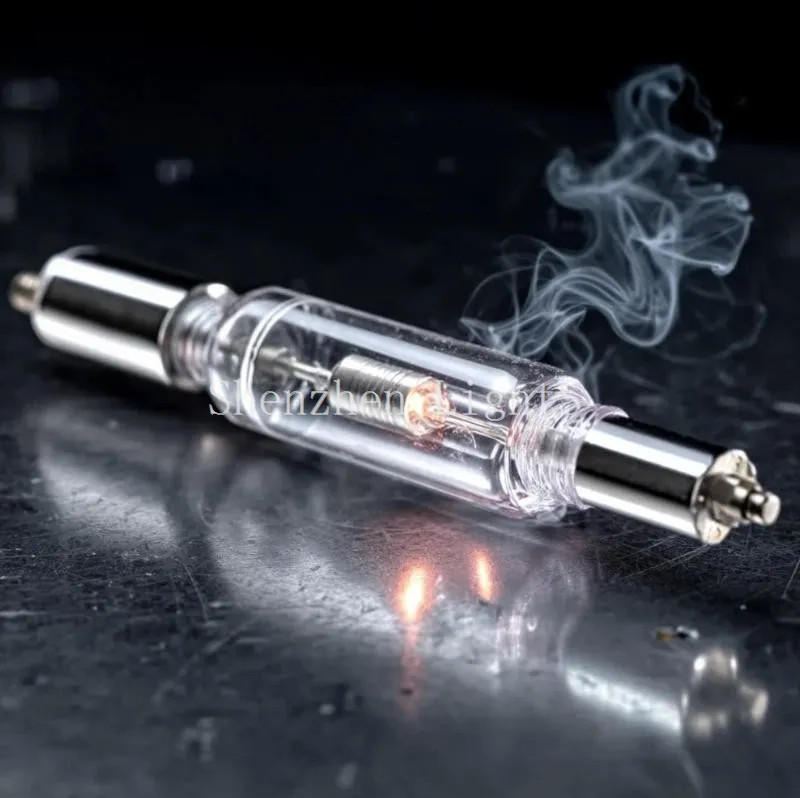

It's important to note that the lifespan of HID bulbs is not the same as the time it takes for them to start fading. In many cases, the bulbs may start to show signs of fading long before they reach the end of their lifespan. This is because the degradation of the internal components and the build-up of deposits can start to affect the performance of the bulb over time, even if it is still technically functioning.
Signs of Fading
So, how can you tell if your HID headlight bulbs are fading? There are several signs to look out for, including:
- Decreased brightness: One of the most obvious signs of fading is a decrease in the brightness of the light output. If you notice that your headlights are not as bright as they used to be, or if they seem to be dimmer than other vehicles on the road, it could be a sign that your bulbs are fading.
- Color change: Another sign of fading is a change in the color of the light. As the bulbs age, the color of the light may start to shift from a bright, white color to a more yellow or orange color. This can make it more difficult to see the road ahead, especially in low-light conditions.
- Flickering or strobing: If your HID headlights start to flicker or strobe, it could be a sign of a problem with the bulb or the electrical system. This can also be a sign of fading, as the degradation of the internal components can cause the bulb to malfunction.
- Inconsistent light output: If you notice that the light output from your headlights is inconsistent, such as one side being brighter than the other or the light flickering in certain areas, it could be a sign of fading or a problem with the bulb.
Preventing Fading
While it's not possible to completely prevent HID headlight bulbs from fading over time, there are several steps you can take to extend their lifespan and reduce the risk of fading. Here are some tips:
- Choose high-quality bulbs: One of the best ways to prevent fading is to choose high-quality HID headlight bulbs from a reputable supplier. Look for bulbs that are made with high-quality materials and have a good reputation for reliability and performance.
- Install the bulbs correctly: Proper installation is key to ensuring the longevity and performance of your HID headlight bulbs. Make sure to follow the manufacturer's instructions carefully and use the correct tools and equipment.
- Keep the bulbs clean: Regularly cleaning your HID headlight bulbs can help to prevent the build-up of deposits and debris, which can reduce the brightness and performance of the bulbs. Use a soft, clean cloth and a mild cleaning solution to gently wipe the bulbs clean.
- Avoid overheating: As mentioned earlier, exposure to high temperatures can cause the internal components of the bulbs to degrade more quickly. To avoid overheating, make sure to install the bulbs in a location where they are not exposed to direct heat, such as near the engine or exhaust system.
- Replace the bulbs regularly: Even if your HID headlight bulbs are not showing any signs of fading, it's still a good idea to replace them regularly to ensure optimal performance and safety. Most manufacturers recommend replacing the bulbs every 2 to 3 years, or sooner if you notice any signs of fading or malfunction.
Conclusion
In conclusion, HID headlight bulbs do fade over time due to a variety of factors, including the degradation of the internal components, the build-up of deposits, and exposure to heat, moisture, and vibration. However, by choosing high-quality bulbs, installing them correctly, keeping them clean, and replacing them regularly, you can extend their lifespan and reduce the risk of fading.
As a supplier of HID Bulb Headlight, I'm committed to providing my customers with the highest quality products and the best possible service. If you have any questions or concerns about HID headlight bulbs, or if you're interested in purchasing a new set of bulbs, please don't hesitate to contact me. I'd be happy to help you find the right bulbs for your vehicle and provide you with any information or support you need.
References
- "High-Intensity Discharge (HID) Lighting." U.S. Department of Energy, 2023.
- "How to Tell if Your HID Headlights are Fading." AutoZone, 2023.
- "The Lifespan of HID Headlight Bulbs." Car and Driver, 2023.


