


Do Xenon Light Bulbs produce a lot of heat?
As a supplier of xenon light bulbs, I often encounter questions from customers regarding the heat generation of these bulbs. Xenon light bulbs, also known as High - Intensity Discharge (HID) bulbs, have gained significant popularity in recent years, especially in automotive headlights. In this blog, we will explore the science behind xenon light bulbs and determine whether they produce a lot of heat.
How Xenon Light Bulbs Work
Xenon light bulbs operate on a different principle compared to traditional incandescent bulbs. Incandescent bulbs work by passing an electric current through a filament, which heats up to a high temperature and emits light. This process is highly inefficient, as a large portion of the energy is converted into heat rather than light.
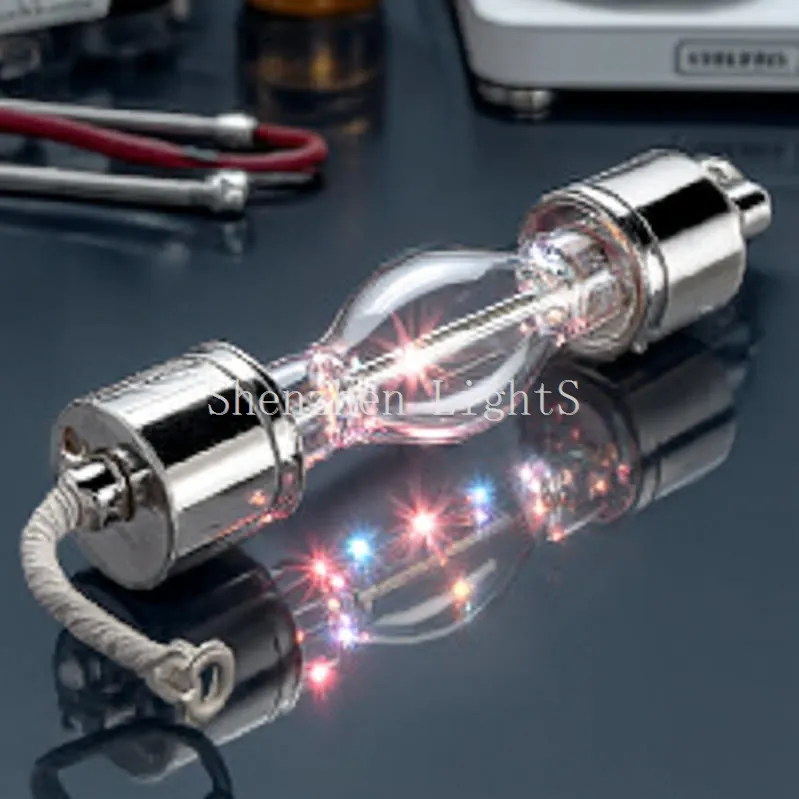
On the other hand, xenon light bulbs use an arc discharge to produce light. Inside the bulb, there is a small amount of xenon gas along with metal salts. When an electrical current is applied, it creates an arc between two electrodes within the bulb. This arc heats the xenon gas and metal salts, causing them to ionize and emit a bright, white light.
Heat Generation in Xenon Light Bulbs
The heat generation in xenon light bulbs is relatively low compared to incandescent bulbs. Since the light is produced through an arc discharge rather than heating a filament, less energy is wasted as heat. Incandescent bulbs can reach temperatures of up to 2500 - 3000 degrees Celsius at the filament, while xenon light bulbs typically operate at much lower temperatures.
The actual temperature of a xenon light bulb depends on several factors, including the wattage of the bulb, the design of the bulb and its housing, and the operating conditions. Generally, xenon light bulbs used in automotive headlights, such as Headlight HID Bulb, operate at temperatures ranging from 200 - 400 degrees Celsius. This is significantly lower than the temperatures reached by incandescent bulbs used in similar applications.
Advantages of Low Heat Generation
The low heat generation of xenon light bulbs offers several advantages. Firstly, it reduces the risk of fire hazards. In automotive applications, where the bulbs are installed in close proximity to other components, such as wiring and plastic parts, lower temperatures mean less risk of melting or damaging these components.

Secondly, it improves the efficiency of the lighting system. Since less energy is wasted as heat, more energy is converted into light. This results in a brighter and more efficient light source, which is particularly important for applications such as automotive headlights, where visibility is crucial.
Thirdly, the lower heat output extends the lifespan of the bulb. High temperatures can cause the components inside the bulb to degrade more quickly, leading to a shorter lifespan. By operating at lower temperatures, xenon light bulbs can last longer, reducing the need for frequent replacements.
Comparing Xenon Light Bulbs with Other Lighting Technologies
When comparing xenon light bulbs with other lighting technologies, such as halogen bulbs and LED bulbs, it is important to consider the heat generation.
Halogen bulbs are similar to incandescent bulbs in that they use a filament to produce light. However, they contain a small amount of halogen gas, which helps to increase the efficiency and lifespan of the bulb. Despite this improvement, halogen bulbs still generate a significant amount of heat. They typically operate at temperatures similar to or slightly lower than incandescent bulbs, making them less efficient and more prone to heat - related issues.
LED bulbs, on the other hand, are known for their extremely low heat generation. LEDs produce light through a process called electroluminescence, which is highly efficient and generates very little heat. In fact, LED bulbs can operate at temperatures close to room temperature, making them the most energy - efficient and heat - friendly lighting option available.
However, xenon light bulbs still have their advantages over LED bulbs. They produce a more natural - looking white light, which is preferred by many drivers for automotive applications. They also have a higher lumen output per watt compared to some early - generation LED bulbs, providing better visibility in certain situations.
Managing Heat in Xenon Light Bulb Systems
Although xenon light bulbs generate less heat than incandescent and halogen bulbs, proper heat management is still essential. In automotive applications, the bulbs are often equipped with heat sinks and ventilation systems to dissipate the heat. These heat sinks are made of materials with high thermal conductivity, such as aluminum, which help to transfer the heat away from the bulb and into the surrounding environment.
Ventilation systems, such as fans or air channels, are also used to ensure that the air around the bulb remains cool. This helps to prevent the build - up of heat inside the bulb housing, which could potentially damage the bulb or other components.
Conclusion
In conclusion, xenon light bulbs do not produce a lot of heat compared to traditional incandescent and halogen bulbs. Their low heat generation is a result of the arc - discharge technology used to produce light, which is more efficient and wastes less energy as heat. This offers several advantages, including reduced fire hazards, improved efficiency, and a longer lifespan.
While LED bulbs are even more efficient in terms of heat generation, xenon light bulbs, such as Xenon Headlight Bulbs and HID Headlight Bulbs, still have their place in the market, especially in automotive applications where their superior light quality and high lumen output are valued.
If you are interested in purchasing xenon light bulbs for your automotive or other lighting needs, we invite you to contact us for more information and to discuss your specific requirements. Our team of experts is ready to assist you in finding the right lighting solution for your needs.
References
- "Lighting Technology Handbook" - A comprehensive guide to different lighting technologies, including xenon light bulbs.
- "Automotive Lighting Systems: Design and Performance" - A book that focuses on the design and performance of lighting systems in vehicles, with detailed information on xenon headlights.
- Industry research reports on lighting technologies, which provide data on the heat generation and efficiency of different types of bulbs.


